Disaster Inspector

- Description
- Curriculum

The primary goal of the Disaster Inspections course is to give you a basic understanding of the disaster inspections process. This is a prerequisite course for any CTDL Certifications and registration is contingent upon successful completion of The Work Order curriculum.
Core Competencies
- Understanding Disaster Inspections Terminology and reporting upon such;
- Determining Occupancy Status, damages and properly documenting such;
- Performing Real Time Assessments and shielding Client liability;
- Properly documenting photographic history based upon unique Client needs;
- Building initial Asset Property Inspection Reports for Client; and
- Chronicling occupancy, progress, and safety issues for Client
What is the target audience?
- This is an Apprentice level Module
- The Work Order course is a prerequisite
- This Module is a prerequisite for all Inspector Journeyman and Master Certifications
The skillsets required for a Disaster Inspector are fundamentally based upon a high school diploma or a GED equivalent. Proficiency in the English language are mandatory. Familiarity with a Windows based desktop computer system combined with the ability to operate a smartphone are required. Attention to detail is a core component of becoming a Field Service Technician.
-
1
 What Is a Disaster Inspection?
Learning Objectives
By the end of this module, learners will be able to:
-
Define the role and responsibilities of a Disaster Inspector.
-
Identify the types of disasters that may trigger inspections.
-
Explain why timely inspections are critical to mortgage servicing.
-
Describe the regulatory and client frameworks (e.g., FEMA, mortgage servicers) involved.
-
Understand the difference between disaster and standard property inspections.
-
-
2
 Construction Safety in Natural Disaster Response
? Learning Objectives
By the end of this lesson, participants will be able to:
-
Identify common hazards encountered on construction sites following natural disasters.
-
Implement safety protocols to protect workers during disaster response and recovery.
-
Utilize appropriate personal protective equipment (PPE) and emergency supplies effectively.
-
-
3
 DI Quiz 1
-
4
Safety First – Always
Learning Objectives
By the end of this module, learners will be able to:
-
Identify and prepare essential safety gear (PPE) for disaster inspections.
-
Recognize common hazards in various disaster zones.
-
Follow safety protocols before, during, and after an inspection.
-
Prepare a basic emergency readiness kit and checklist.
-
Understand when to defer or escalate unsafe inspections.
-
-
5
DI Quiz 2
-
6
General Approach
Learning Objectives
By the end of this module, learners will be able to:
-
Perform a disaster inspection using standardized checklists and guidelines.
-
Capture compliant, high-quality photographs of disaster damage.
-
Identify and document disaster-specific damage types (e.g., flood lines, wind damage).
-
Differentiate between minor, moderate, and severe property damage.
-
Follow best practices for documenting from outside when interior access is unsafe.
-
-
7
DI Quiz 3
-
8
Why Accurate Reporting Matters
Learning Objectives
By the end of this module, learners will be able to:
-
Complete a standardized disaster inspection report accurately and thoroughly.
-
Use appropriate terminology and condition codes for disaster-related damage.
-
Avoid common reporting errors that delay payments or reassignments.
-
Upload and label photos correctly in inspection platforms.
-
Understand escalation procedures for incomplete, unsafe, or special-case inspections.
-
-
9
DI Quiz 4
-
10
Professional Behavior in the Field
Learning Objectives
By the end of this module, learners will be able to:
-
Demonstrate professionalism and courtesy while interacting with property owners, neighbors, and officials.
-
Follow industry standards for ethical conduct, confidentiality, and neutrality.
-
Know when and how to explain their role to property occupants.
-
De-escalate tense situations and handle unexpected interactions with empathy.
-
Report concerns about safety, fraud, or non-compliance appropriately.
-
-
11
DI Quiz 5
-
12
Essential Field Tools
Learning Objectives
By the end of this module, learners will be able to:
-
Identify and use the essential tools for disaster inspections.
-
Operate mobile apps and platforms used in the field (e.g., PPW, InspectorADE, EZ Inspections).
-
Capture and label photos properly using a smartphone or tablet.
-
Troubleshoot common tech issues on-site.
-
Upload, sync, and submit reports securely and correctly.
-
-
13
Utilizing Moisture Meters in Post-Disaster Inspections
? Learning Objectives
By the end of this lesson, participants will be able to:
-
Understand the importance of moisture detection in disaster-affected structures.
-
Differentiate between types of moisture meters and their appropriate applications.
-
Effectively operate moisture meters to assess moisture levels in various building materials.
-
Interpret moisture readings to make informed decisions regarding remediation and safety.
-
-
14
DI Quiz 6
-
15
Recognizing Field Hazards
Learning Objectives
By the end of this module, learners will be able to:
-
Identify common physical, environmental, and situational hazards.
-
Apply field-tested safety practices for inspecting unstable or hazardous sites.
-
Understand when to stop or escalate an unsafe inspection.
-
Follow proper PPE (Personal Protective Equipment) guidelines.
-
React appropriately to threats, emergencies, and unexpected encounters.
-
-
16
DI Quiz 7
-
17
Final Review
Learning Objectives
By the end of this module, learners will be able to:
-
Summarize the key responsibilities of a Disaster Inspector
-
Demonstrate readiness to complete a full disaster inspection
-
Identify next steps for credentialing, tools, and assignment onboarding
-
Apply best practices for professionalism, accuracy, and safety
-
-
18
DI Quiz Final


-
Work Order
$9.95
-
What is Prerequisite coursesA prerequisite is a specific course that you must complete before you can take another course at the next grade level.
Prerequisites:
- Completion of Work Order fundamentals course (recommended)
- Strong attention to detail and documentation skills
- Ability to work in emotionally challenging situations
- Physical ability to access damaged structures safely
What You'll Learn:
- Types of disaster inspections: insurance loss, FEMA, flood damage
- Comprehensive damage assessment techniques
- Distinguishing pre-existing damage from disaster damage
- Interior and exterior damage documentation
- Water damage classification (categories 1, 2, 3)
- Fire and smoke damage assessment
- Structural damage identification and safety concerns
- Required photo documentation (extensive - often 50+ photos)
- Writing detailed, accurate damage descriptions
- Working with adjusters and government agencies
- Safety protocols for damaged structures
- Professional conduct with disaster-affected homeowners
Equipment Needed:
- High-quality digital camera or smartphone with excellent camera
- Moisture meter for water damage assessment
- Flashlight or headlamp for dark/damaged areas
- Measuring tape (25' minimum)
- Notepad or tablet for detailed notes
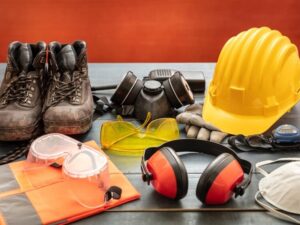
- Personal protective equipment (hard hat, safety glasses, gloves, boots, respirator/N95 masks)
- Reflective safety vest
- First aid kit
Note: Disaster inspection work can be emotionally demanding as you'll interact with homeowners who have experienced significant loss. Professionalism, empathy, and accuracy are critical. This work often surges after major disaster events and can provide substantial income opportunities for qualified inspectors willing to travel.